• The British Dream Gone Mad – Aston Martin One-77

    The British wanted to build something beyond reason, and somehow, they did.
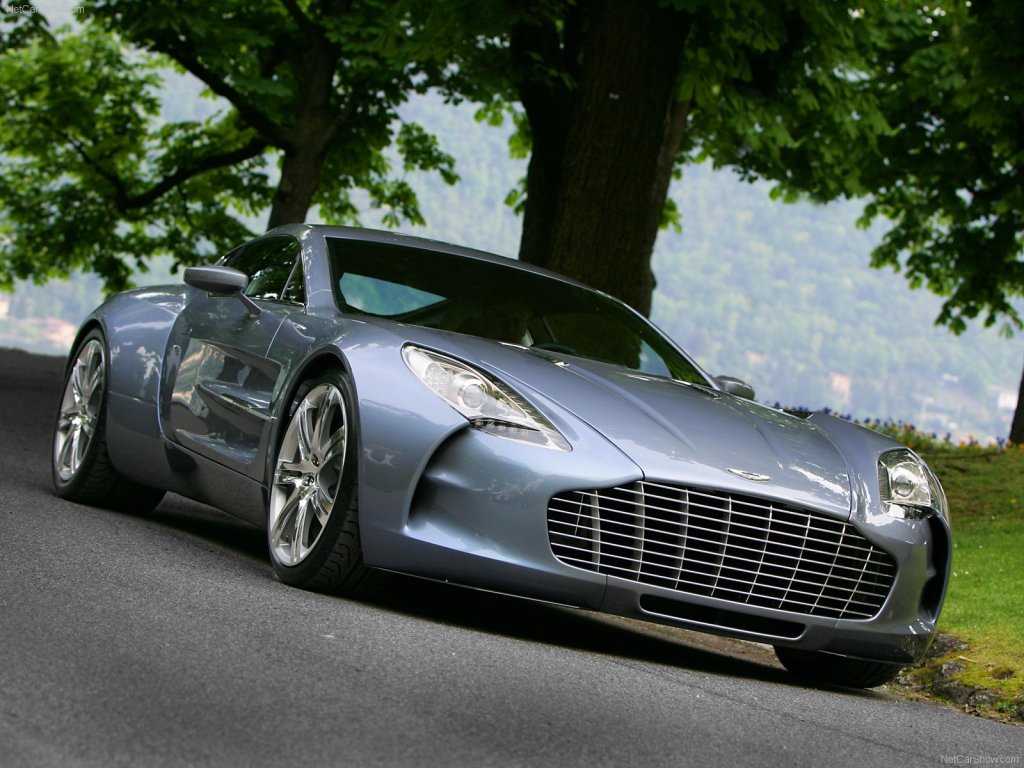
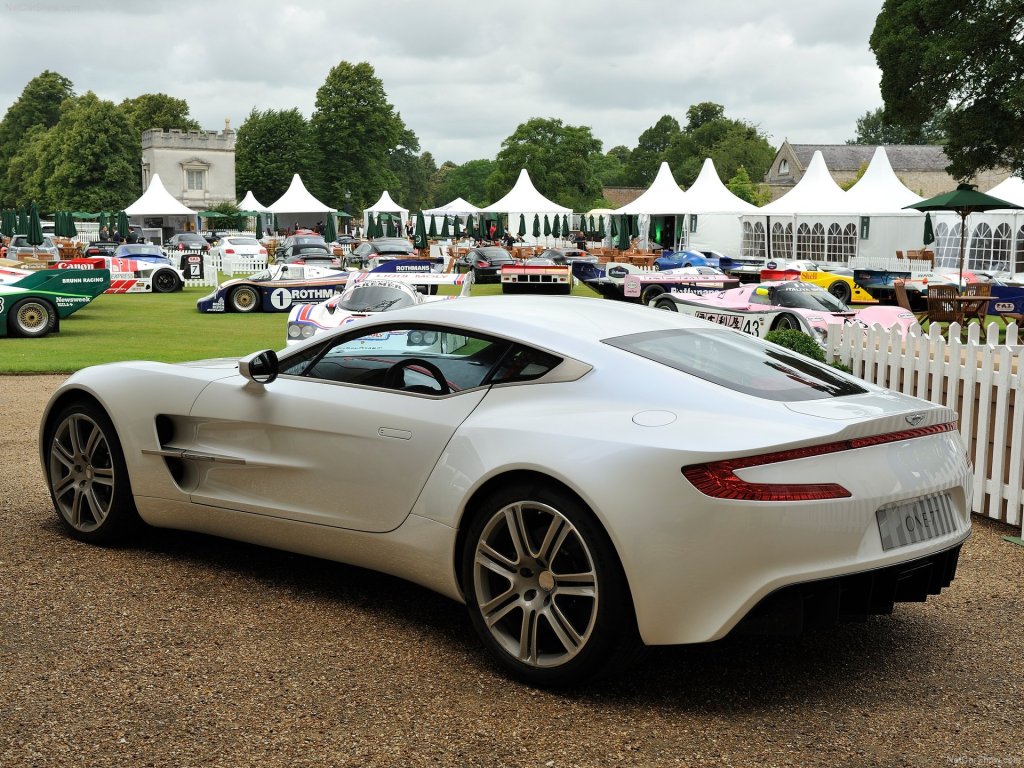
    The Aston Martin One-77 wasn’t just a car; it was an event. It looked almost unreal, as if it had slipped through a portal from another dimension. Every curve, every vent, every proportion screamed exclusivity and insanity in equal measure. The One-77 was Aston Martin’s answer to a question no one had asked: What happens when elegance meets absolute madness? Beneath its sculpted carbon-fiber skin lived a 7.3-liter naturally aspirated V12 engine, an engineering statement that produced a staggering 750 horsepower, all sent to the rear wheels. That alone is enough to make any enthusiast’s pulse quicken.

    When you dared to press the accelerator, the world blurred around you. The One-77 could reach 354 km/h, a number that, coming from Aston Martin, felt almost unbelievable. No disrespect to the Brits, but this was a side of them we’d never seen before. This was not your usual gentleman’s grand tourer; this was a refined monster dressed in Savile Row tailoring.
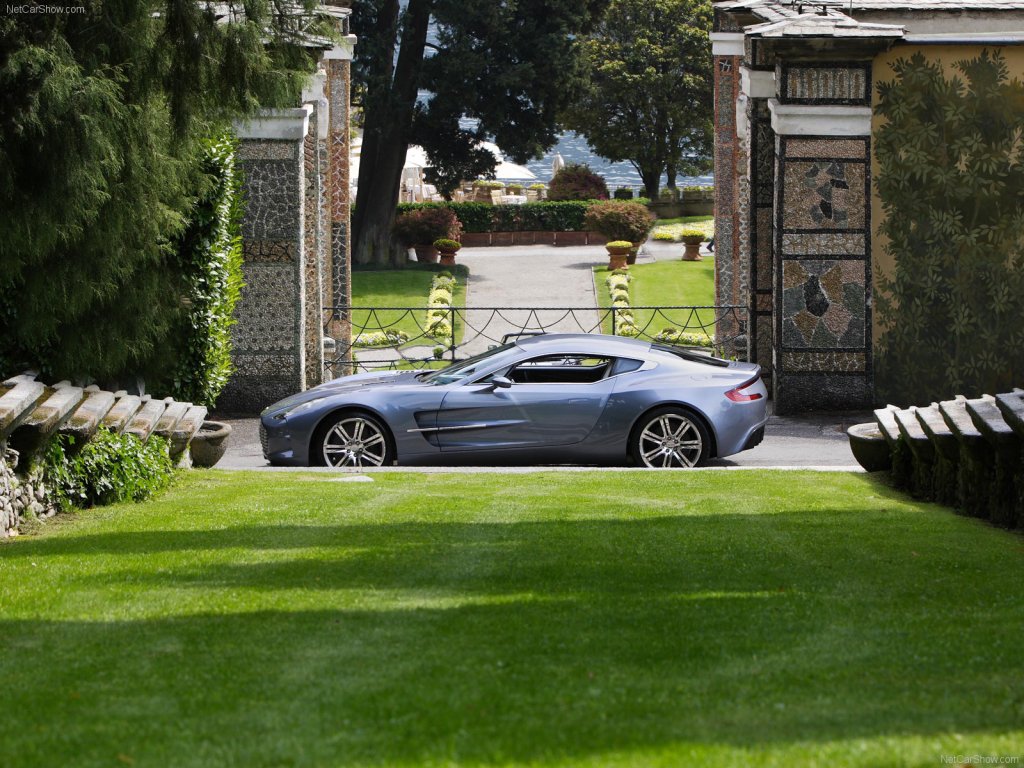
    Inside, it exuded the kind of luxury you’d expect from a brand built on heritage and craftsmanship, yet the feeling behind the wheel was pure dominance. It made you feel royal, untouchable, and slightly mad for even being there. Then there was the price. When it debuted in 2009, the One-77 cost a jaw-dropping $1.8 million. Even today, that figure feels unreal. Was it worth it? That’s a question only the 77 fortunate owners can answer.

    Maybe its price was extreme, but so was everything about it. The One-77 wasn’t built to make sense; it was built to make history.
  • The Beauty of Being Unreasonable – BMW M5 E60

    It was an interesting look at a requirement: what kind of saloon car do people need? Well, BMW provided an answer that was truly extraordinary.

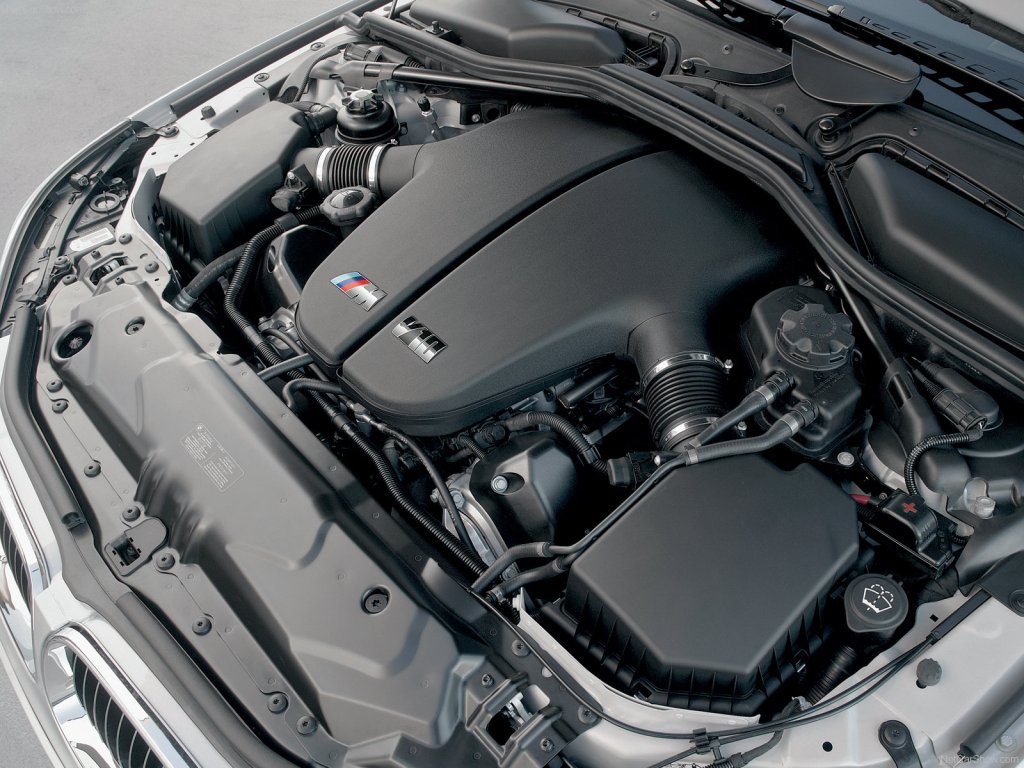
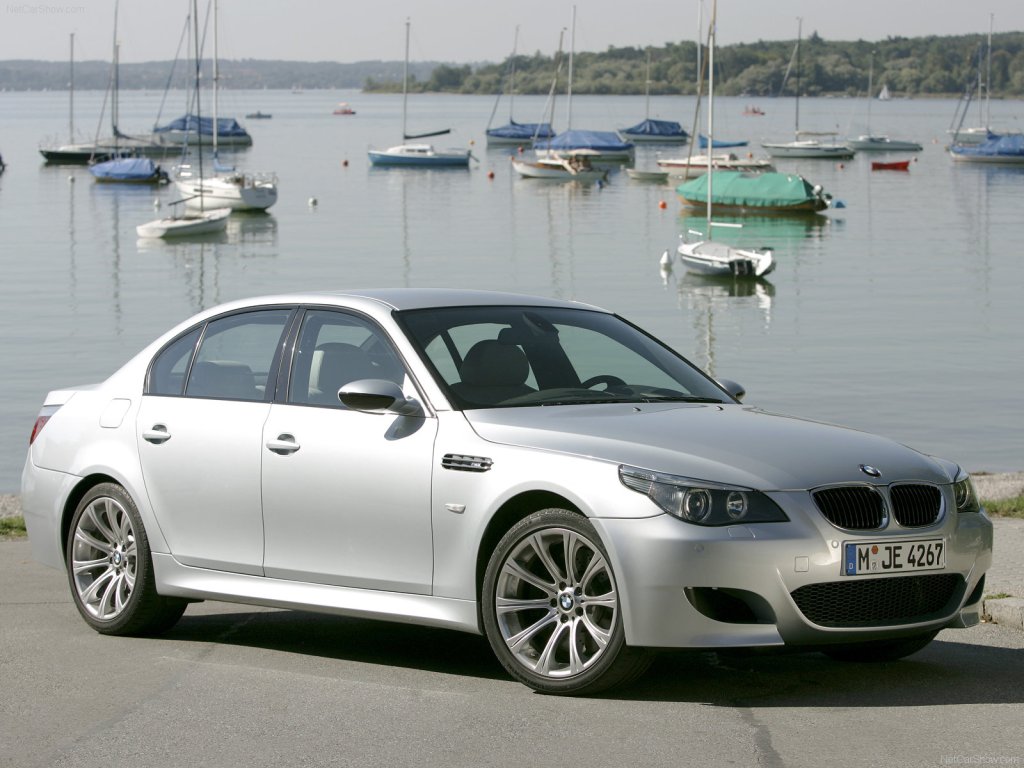
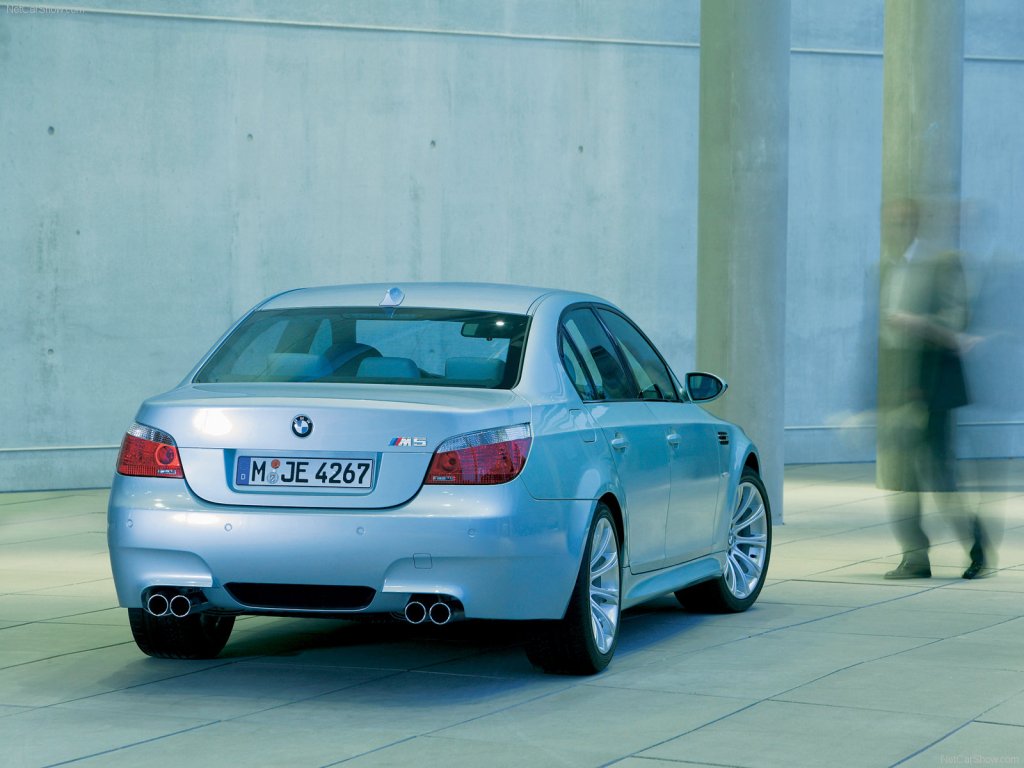
    The M5 E60 was a saloon car that had supercar specs on it. It made people ask, “Has BMW just lost their minds with this?” Well, the answer was complicated; it could be said that they wanted something so interesting that made every person in the car manufacturing industry turn their heads to check it out. It was powerful, it was elegant, and most importantly, it was a BMW that was going to be a legend.

    The M5 was released in 2004 with some really good and maybe top-of-the-line specs for a saloon car; it had a 5-litre V10 that pushed 507 horsepower at 7,750 RPM, a 7-speed gearbox, which all compiled into its rear wheels at full force, making it one of the fastest four-door saloon vehicles of all time. Just to be clear, it really was the fastest saloon car of its time, with a result of 0 to 60 in just 4.1 seconds. It was weird, it was unnecessary, it was a mad idea, but BMW wasn’t joking with this one.

    I mean yes it was scary and yes it literally had an engine that was inspired by a Formula 1 car. It was anything but sensible, and the price tag for it was actually reasonable, which was $85,000; still, it made you question your purchase since it is not just an ordinary saloon.

    For a bit of closure, I personally love BMW. The cars they’ve built and the dreams they’ve fulfilled are truly unbelievable. They’ve made many iconic models, which I’ll talk about eventually, but the M5 E60… that was something that you definitely won’t see for a few more decades.

  • A Legend Forged in Desperation – Nissan GT-R (R35)

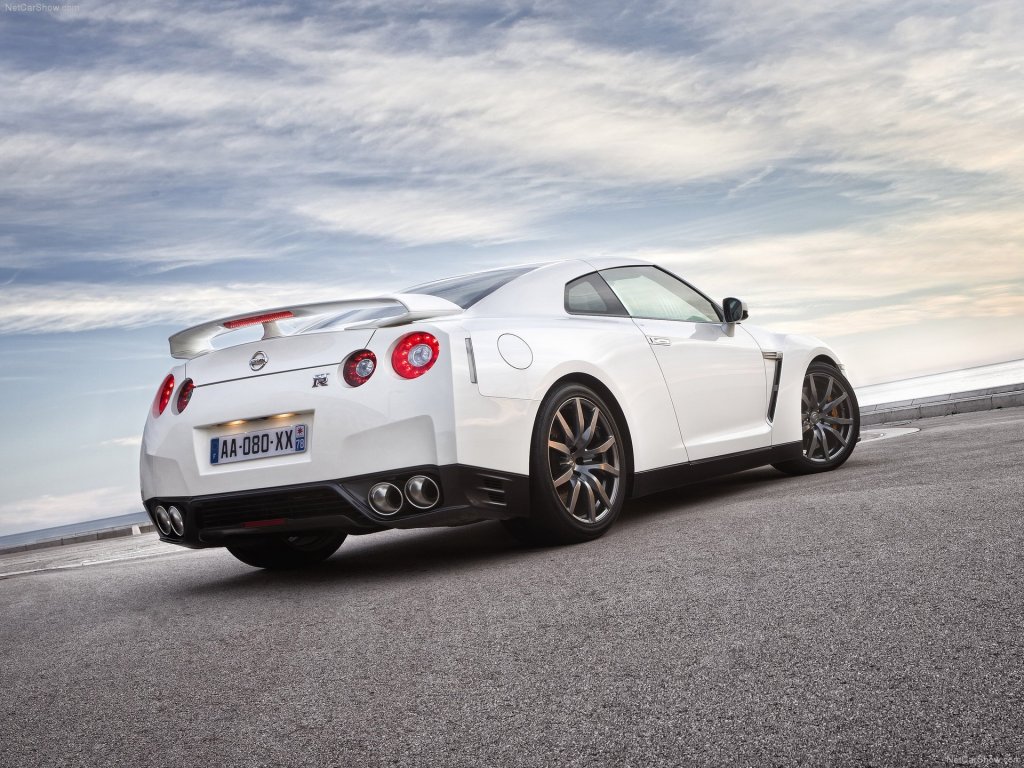
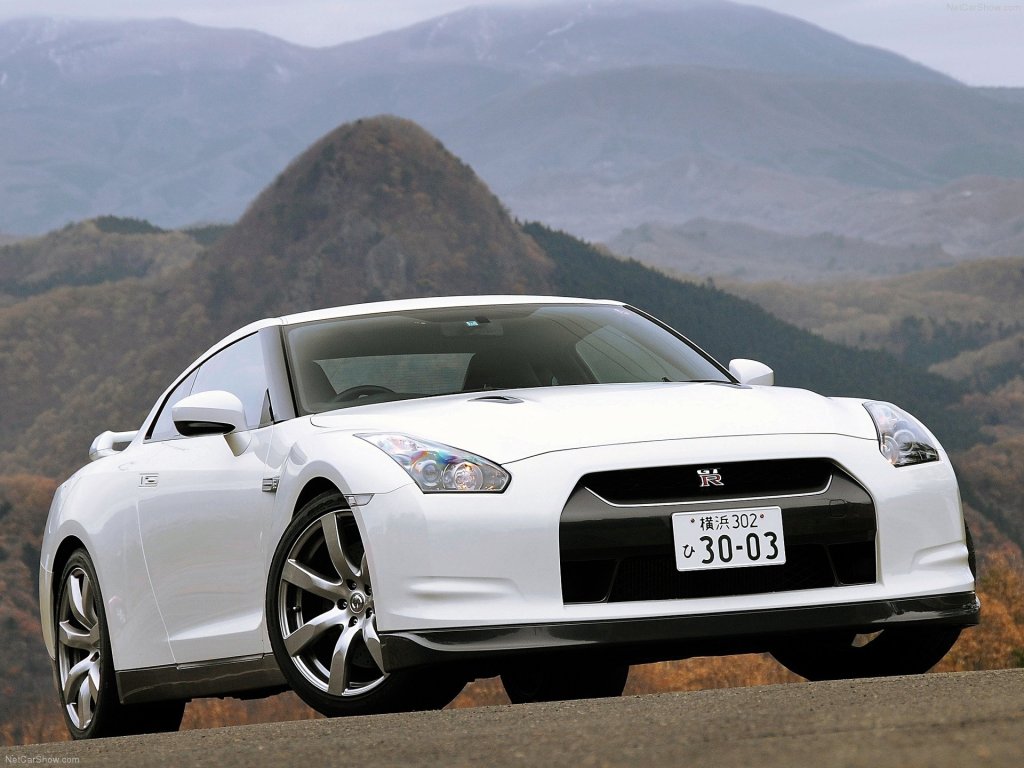
    Nissan GT-R is a magnificent car from a manufacturer that no one really expected it from. And it is a masterpiece that is still talked to this day with it’s elegance and boldness.

    GT-R, like many sports cars of its era, boasted impressive specifications that made it a formidable competitor against other brands. Its 3.8 L twin-turbocharged VR38DETT V6 engine produced 473 horsepower right from the start, complemented by a 6-speed dual-clutch transmission and all-wheel drive. This combination resulted in astonishing acceleration, achieving 0 to 60 mph in just 3.5 seconds. While it may seem slow at first glance, it’s important to consider that this vehicle weighed 1,740 kg (3,836 lb), which raises some questions.

    The idea behind the GT-R was not what you might expect; it was created to become a “halo car.” A halo car is designed to elevate the brand’s image, and Nissan was actually struggling among its competitors. The GT-R was essentially their only option, but what they didn’t realize was that the GT-R would become much more than that.

    When the vehicle was first released in 2008, it was groundbreaking, competing with brands like Porsche, Ferrari, Ruf, and Lamborghini, yet it remained relatively affordable given its specifications. Priced at around $100,000, it seemed almost like a scam at the time. Imagine this: a Japanese brand launches a sports car that performs exceptionally well on the road, can outperform its competitors, and is priced lower than them. It was a dream for people who wanted to buy a sports car without spending absurd amounts on less reliable brands, or those that were difficult to maintain.

    After some time, Nissan decided to upgrade the GT-R by releasing special versions and newer models over the years, culminating in seven additional GT-R iterations.

    Sadly, Nissan eventually pulled the plug on the GT-R in August 2025, marking the end of an era for a car that even earned the nickname “GODZILLA” from the community.

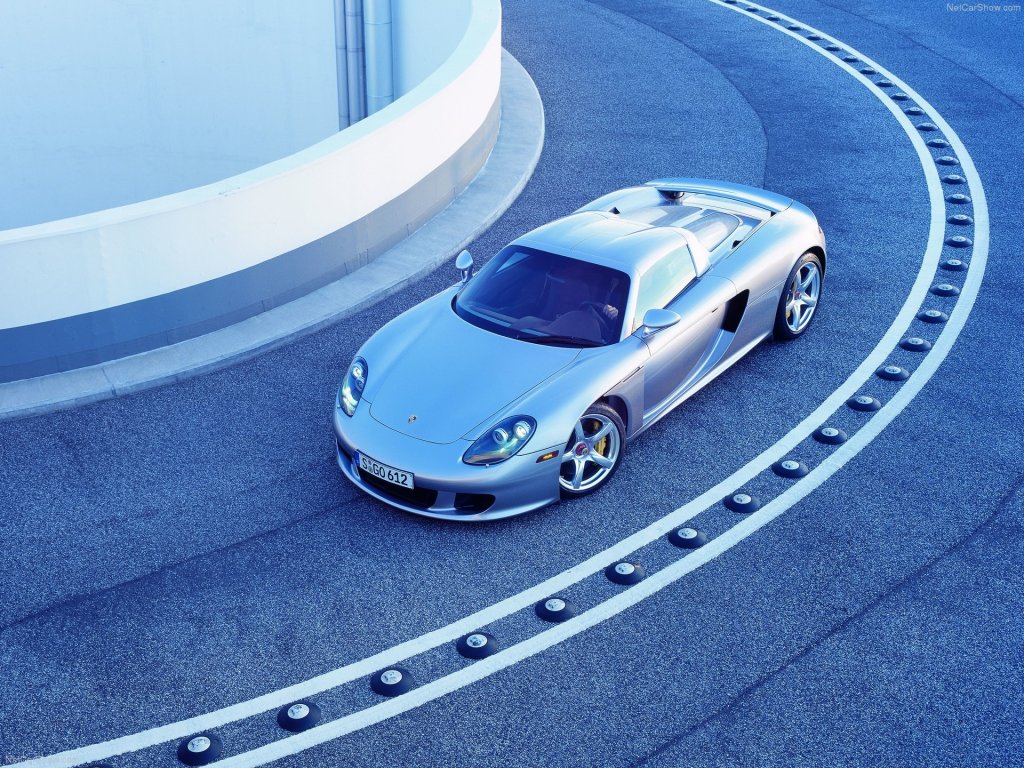
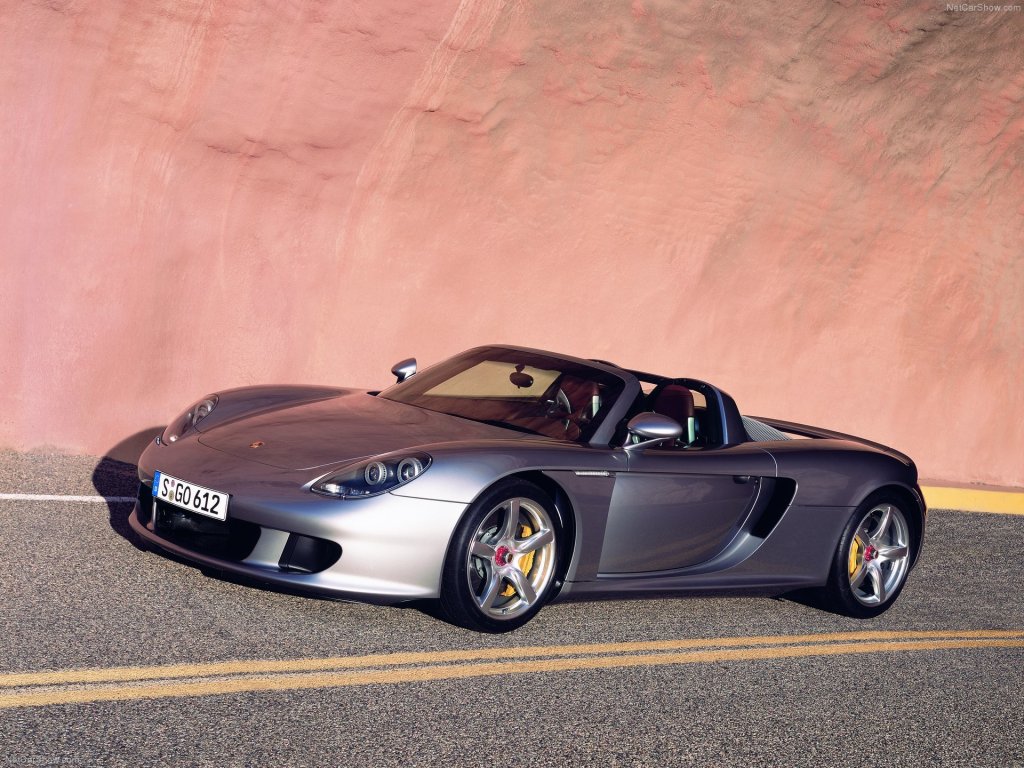
  • The Elegance Of Being Immature – Porsche Carrera GT

    The Carrera GT is not just a car that goes fast and looks great, it’s a car that makes you question:

    Why did Porsche have the need to build something like this?

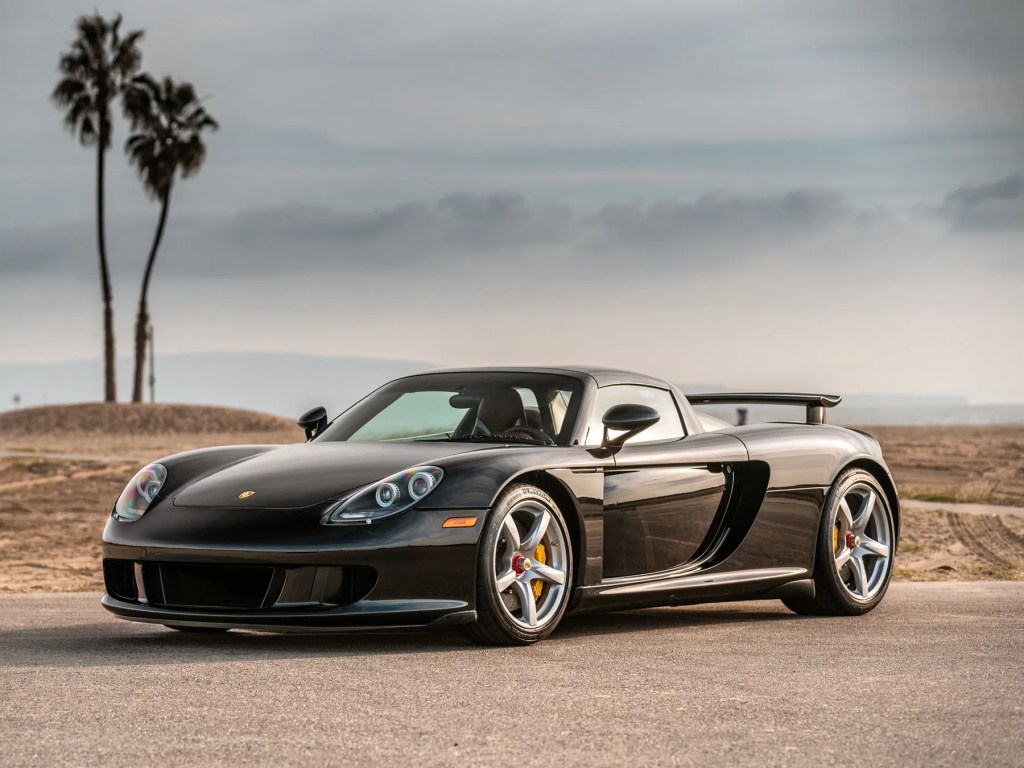
    Carrera GT was the elegant and dangerous design of a sports car in 2003; it was made by a well-known manufacturer, and it was known that people did want “something exciting”.

    Carrera GT had some astonishing specifications for its time: a mid-engine 5.7 Litre V10, making 603 horsepower to its rear wheels, a 6-speed manual transmission, and a lightweight body that weighs 1,380 kg. It was a dream for most car lovers, but it had its flaws.

    The performance metrics of the car were truly impressive: achieving 0 to 60 mph in approximately 2 seconds, a remarkable top speed of 334 km/h, and an exceptional lap time of 7:28 at the Nürburgring. These figures reflect extraordinary capabilities for their time; however, like any high-performance vehicle, perfection remains an elusive pursuit. But the problems it brought with itself were devious. Being a powerful rear-wheel-drive car with a V10 engine, it needed some safety features which it didn’t have. For example, its chassis was made to be fabulous for high speeds, but it was a race-car-derived chassis which left no margin for errors, and, as an extra, it didn’t have any traction control or anti-lock brake system features. But even these couldn’t make it any less of a dream.

    For me, this vehicle was something different; it wasn’t like the Ferrari or Lamborghini or any other competitors in the supercar range; it felt much more unique to the eyes and amusing to the ears.

    Being a limited production vehicle with only 1,270 units, it is now only a dream to own one, not even talking about its price tag which was $450,000 at its launch; now it goes for $1.5 million to over $2 million depending on condition and mileage.

    Even though it is a dream to own one in real life, it is still possible to drive it in video games such as Gran Turismo, Assetto Corsa, and the Forza series.

    In the end, the Porsche Carrera GT will always be a legend. With its powerful V10 engine, lightweight carbon fiber build, and pure, raw driving feel, it stands out as one of the last true analog supercars.